
Global Brake Systems Sourcing Guide 2026
Strategic Intelligence for Importers
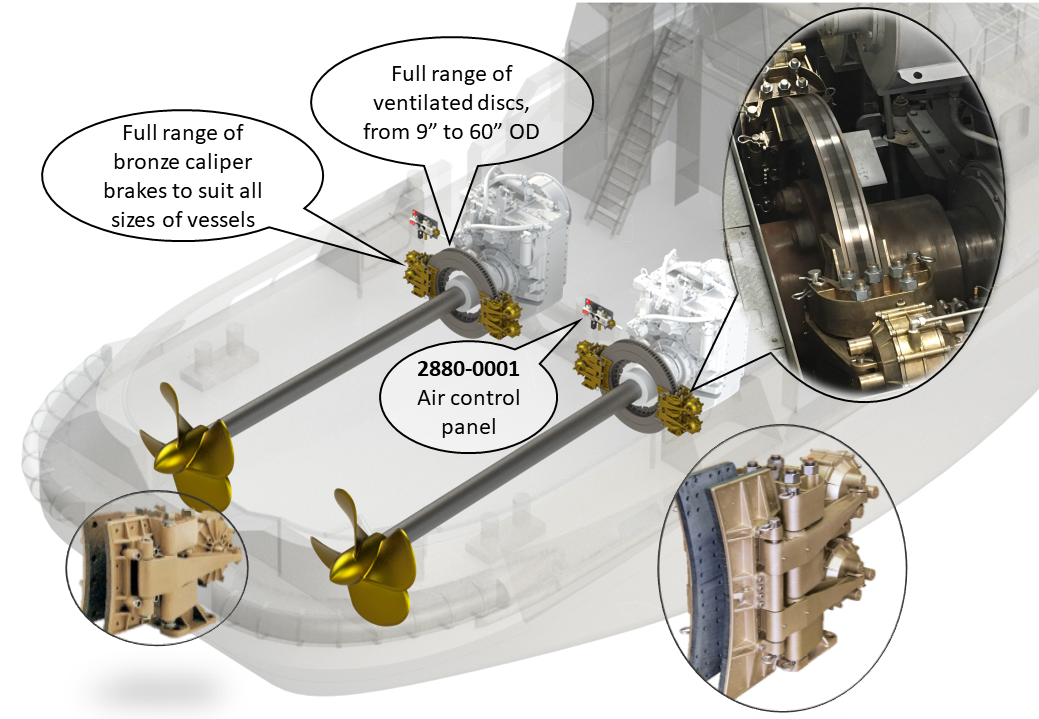
Strategic sourcing professionals must navigate this transformation by rebalancing supplier portfolios, investing in supplier development programs for emerging technologies, and implementing robust risk mitigation frameworks. Success requires shifting from pure cost optimization to value-based partnerships that ensure technology access, supply resilience, and ESG compliance. The winners will be those who anticipate supplier capability gaps and secure preferred access to next-generation brake system technologies before market-wide shortages emerge.
Critical Market Trends 2026
Sustainability
Stringent ESG regulations, particularly the EU’s Corporate Sustainability Due Diligence Directive, now require importers to quantify Scope 3 emissions across their brake supply chain. Leading suppliers are investing in closed-loop recycling programs for brake pads and rotors, offering carbon-neutral products through renewable energy manufacturing and recycled materials. Sourcing strategies must integrate sustainability audits as primary supplier selection criteria, with 15-20% price premiums now acceptable for verified low-carbon brake components.
Technology
Brake-by-wire systems have achieved 40% market penetration in EVs, fundamentally shifting the supplier base from traditional foundries to electronics integrators. Smart brake systems with embedded sensors for predictive maintenance and ADAS integration now command 30% higher margins. Sourcing teams must evaluate suppliers on software capabilities, cybersecurity certifications, and chip integration expertise rather than just mechanical precision. Traditional brake manufacturers without electronic control unit (ECU) development capacity face obsolescence.
Supply Chain
Regionalization dominates sourcing strategies post-2025, with Mexico and Eastern Europe emerging as preferred nearshore hubs for North American and European OEMs respectively. Geopolitical tensions have created critical shortages in rare earth magnets for electric brake actuators, prompting Tier 1 suppliers to vertically integrate upstream. Digital twin technology for supply chain visibility is now standard requirement in RFQs, with penalties for lack of real-time inventory transparency. Chinese suppliers remain cost-competitive but face 25% tariff risks and IP protection concerns.
Pricing
Raw material volatility continues with aluminum and steel prices fluctuating 20-30% quarterly, forcing shift from fixed-price to index-linked contracts. Energy costs in Europe have added 8-12% to component costs, while Asian suppliers offer 15% cost advantages through government subsidies. However, pricing models are bifurcating: traditional disc brakes face commoditization pressure with 3-5% annual price declines, whereas brake-by-wire systems maintain 25-30% gross margins. Strategic buyers are adopting value-based pricing frameworks that share R&D costs for exclusive technology access.
Top 6 Verified Manufacturers
Navigate sourcing with data-driven confidence.
