
Global Suspension Sourcing Guide 2026
Strategic Intelligence for Importers
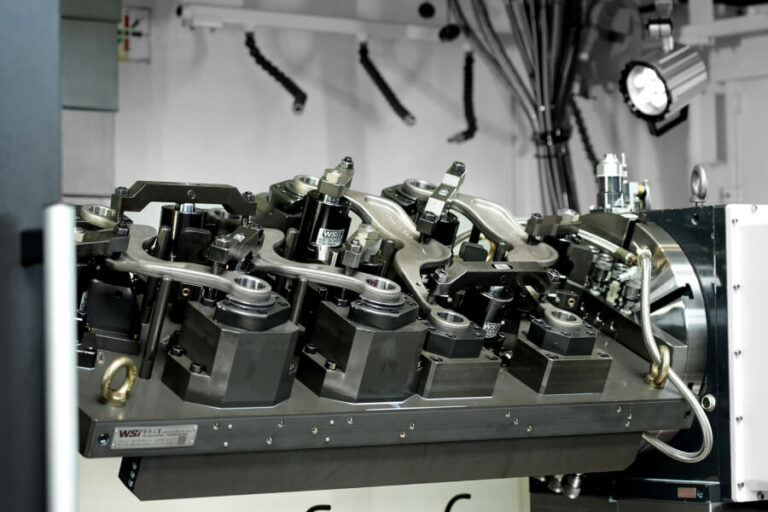
Importers must navigate a fragmented supplier landscape concentrated in three critical manufacturing hubs—China’s Yangtze Delta, Germany’s automotive corridor, and Mexico’s industrial zones—while managing escalating compliance costs and lead time volatility. Strategic sourcing decisions in H1 2026 will determine competitive positioning through 2028, as tier-1 suppliers consolidate and second-tier component manufacturers face capacity constraints. Success requires sophisticated risk hedging, digital supply chain integration, and deeper tier-n visibility.
Critical Market Trends 2026
Sustainability
EU’s 2026 Carbon Border Adjustment Mechanism now applies to forged steel and aluminum suspension components, forcing importers to verify embedded emissions across tier-2 suppliers. Leading manufacturers have adopted closed-loop recycling for 40% of aluminum knuckles, while bio-composite spring trials in commercial vehicles have reached production readiness, creating premium green sourcing opportunities.
Technology
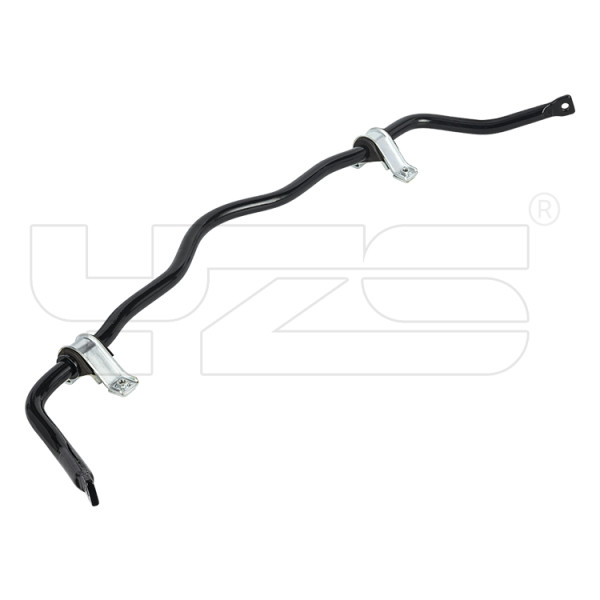
Adaptive suspension systems with AI-driven predictive damping have become standard on premium EV platforms, requiring sourcing partnerships with semiconductor and software vendors. 48V electromechanical roll stabilization systems now represent 35% of new contracts, displacing traditional anti-roll bars. Importers must evaluate suppliers on mechatronics integration capabilities, not just mechanical competency.
Supply Chain
Regionalization has accelerated, with North American importers shifting 30% of sourcing from Asia to Mexico’s burgeoning suspension cluster to mitigate tariff exposure and reduce lead times. Digital twin adoption for supplier capacity planning has become table stakes, while lithium shortages for EV-specific air compressors have created a critical bottleneck requiring dual-sourcing strategies by Q2 2026.
Pricing
Raw material indices show aluminum billet prices elevated 22% above 2024 averages, while natural rubber volatility persists due to climate impacts. Chinese suppliers have introduced dynamic pricing models tied to energy costs, complicating annual contract negotiations. Importers leveraging volume pooling across chassis components report 8-12% cost savings, though currency hedging costs have risen 150 basis points.
Top 8 Verified Manufacturers

Navigate sourcing with data-driven confidence.
